Eldritch Afflictions :
Game Development
"Eldritch Affliction" seamlessly combines digital and physical elements. Interconnected puzzles leverage a physical journal that extends the gameplay beyond the digital screen, enhancing player engagement and meeting the cross-media integration criterion of the challenge.
*This game contains graphic depictions of surgery and body horror

Development issues
First Issue: Camera Navigation Conflict in Unity
-
Problem: In the development of “Eldritch Affliction”, inconsistent camera settings across team members led to misaligned views in Unity, complicating navigation and scene transitions.
-
Solutions: I resolved the camera conflict by centralizing control to a single UI canvas camera for all scenes, ensuring consistent visual output. I also integrated Unity's EventTrigger component to enhance precise player interactions with illness points, optimizing navigation efficiency.
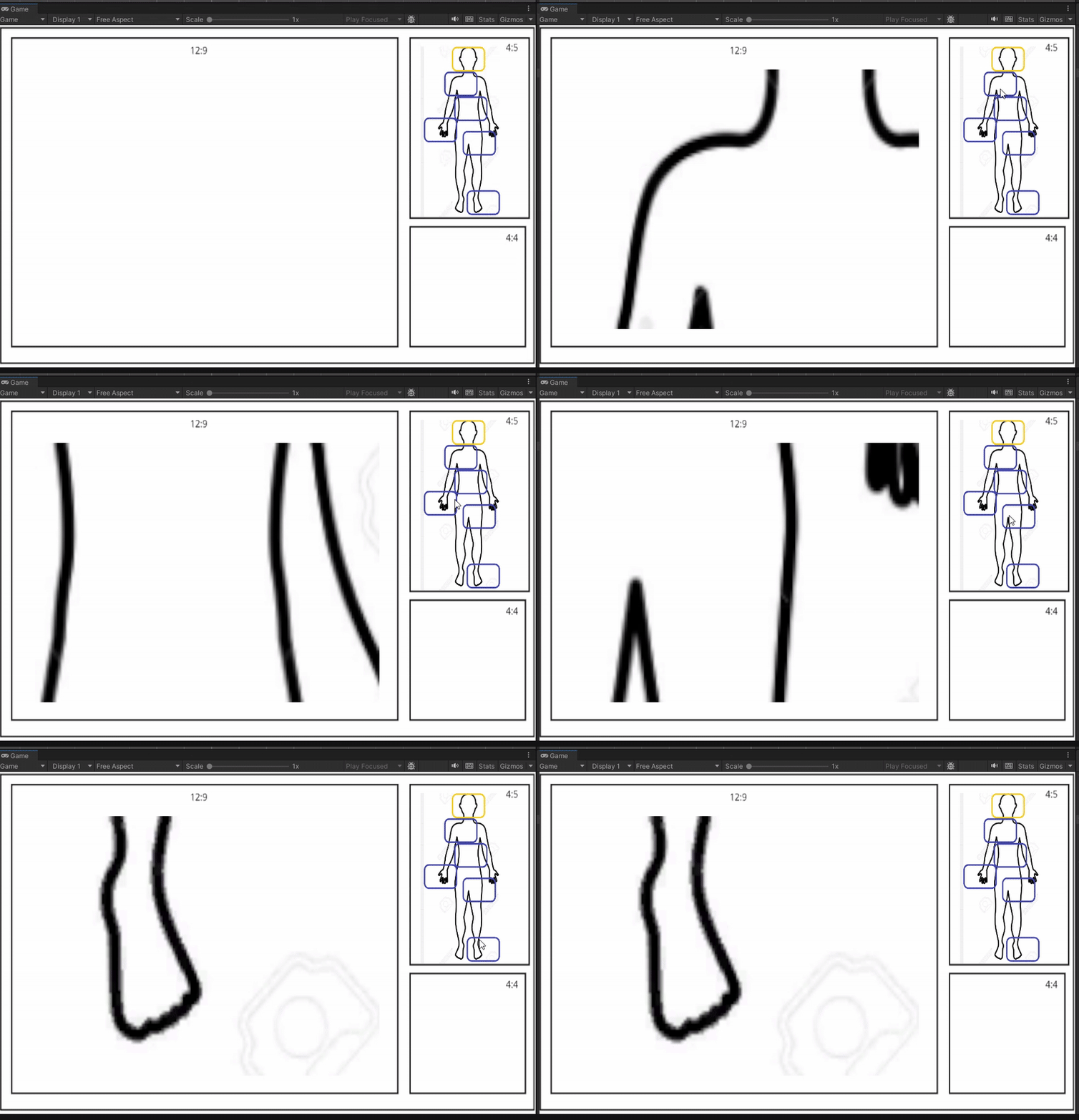
Game difficulty variation
Second Issue: Insufficient Puzzle Complexity
-
Problem: During our initial playtests, we discovered that the puzzles lacked depth and complexity, functioning more as basic drag-and-drop minigames without substantial engagement or challenge.
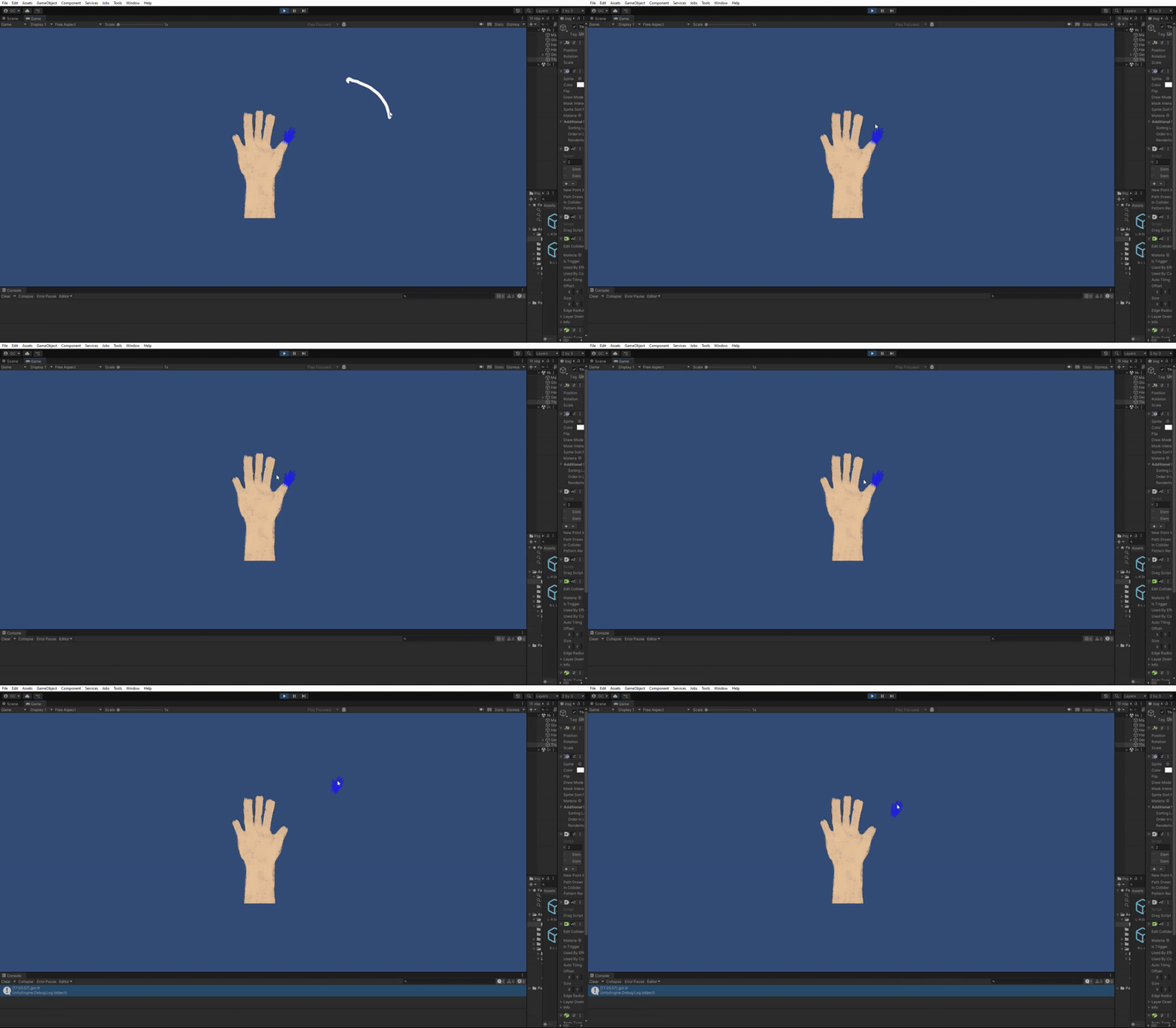
Solutions: To increase engagement, we introduced detailed surgical sequence puzzles that required players to analyze physical component instructions, thereby enriching the puzzle complexity and enhancing strategic depth.
Hand puzzle


Foot puzzle


Abdomen Puzzle


Issues on project planning process
Third Issue: Excessive Project Scope
-
Problem: Originally, we planned to create six distinct body part puzzles. As development progressed, it became clear that this scope was too ambitious, leading to potential issues with project manageability and quality.
-
Solutions: We scaled back to three core puzzles, this allowed us to concentrate on refining these core elements, significantly improving the game's manageability and enhancing the depth and quality of the remaining puzzles.

-
Solutions: We scaled back to three core puzzles, this allowed us to concentrate on refining these core elements, significantly improving the game's manageability and enhancing the depth and quality of the remaining puzzles.

Fast-paced Schedule
Day 1: Our team participated in ice-breaking activities to build rapport. Each member then contributed ideas, which were presented for initial feedback from other groups.
Day 2: We finalized our puzzle ideas based on feedback and each member proposed individual enhancements.
Day 3: After a design consultation and gathering additional insights from other teams, we presented our refined, final ideas and began the visual and programming development.
Day 4: The team conducted a playtest for one of the puzzles to evaluate its effectiveness and made adjustments as necessary.
Day 5: The complete game was uploaded to itch.io for a broader playtest session, providing an opportunity to receive extensive player feedback and to experience other teams' puzzle games.